
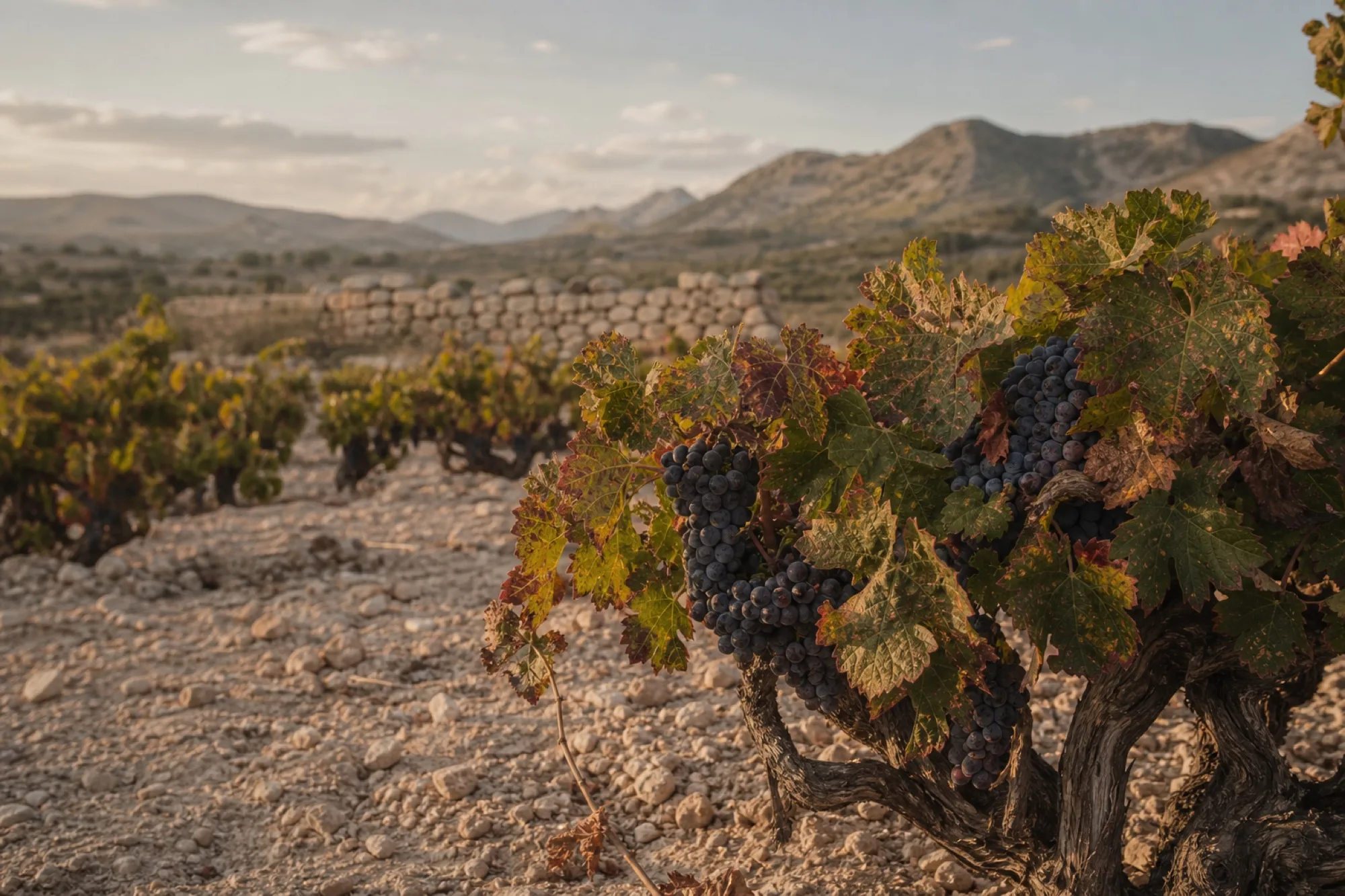
Monastrell vines in Murcia

The Journal

Why Murcia looks, tastes and lives this way.

The guide helps with today’s decision. The Journal goes one step deeper, explaining the stories that turn a destination into a connection.

Coast · decision guide

The best beach is not always the most beautiful cove.

Murcia’s coast asks for a decision before the parasol goes into the car. Puerto de Mazarrón offers promenade, restaurants, urban beaches and short distances. Bolnuevo combines a long semi-urban beach with the erosions behind it. To the southwest follow nine largely undeveloped kilometres — stronger in landscape, harder in practice.

The official regional site notes that several calas are accessible only on foot or by mountain bike; some are naturist. That changes the day: no reliable shade, possibly no signal, food and water in the bag, and a return walk after hours in the sun.

The better question

Not “Which beach is most beautiful?” but: do we need easy access, manageable water and lunch nearby, or do we want solitude and accept the effort? With children, a late start or changing wind, the straightforward beach is often the more confident choice.

Before choosing a wild cove, check parking, the final walk, surface, shade, naturism, mobile reception, wind and the safe return. A photograph answers none of these questions.

Source: Official Calas de Bolnuevo information ↗ · checked 15 July 2026

Sierra Espuña · landscape history

The forest is also human work.

Driving from the dry Guadalentín valley into Sierra Espuña, the forest can feel like the eternal opposite of the coast. Much of this green landscape is in fact the result of major reforestation at the end of the nineteenth century.

Ricardo Codorníu, a forestry engineer later known as the “Tree Apostle”, shaped the recovery. This makes the park more interesting, not less natural: it tells of exhausted soil, erosion, long-term care and the possibility of damaging and then stabilising a landscape.

How that changes a visit

A walk becomes more than a view. Vegetation, terraces, tracks and water management can be read as traces of a long protection project. The park offers short viewpoints as well as demanding routes; the almost 200-metre limestone wall of Barranco de Leyva is also an important climbing area.

Forest does not cancel summer heat. Route, elevation, water, sun protection and an early start remain essential. One suitable walk, a viewpoint and lunch near the park are enough for a first visit.

Source: Official Sierra Espuña tourism page ↗ · checked 15 July 2026

Sierra Espuña · cultural history

How Murcia kept cool before refrigerators.

At elevations around 1,400 metres stand 25 historic snow wells. From the sixteenth to the twentieth century, snow was gathered, compacted and preserved in large stone stores. The ice supplied lower settlements, helped preserve food and supported medical uses.

The structures look quiet today. They once depended on hard winter labour, transport chains and a market that organised cold long before electric refrigeration. In a region associated with sun and dryness, this is an unexpected economic history.

Not a casual photo stop

Elevation, weather and preservation vary. Not every well is equally accessible; protection rules and official routes take priority. A visit should consider the logistics as well as the stone: gathering snow, compressing it, covering it and moving ice across large differences in height.

The wells belong in the Journal because they connect landscape, labour, architecture and food. The excursion planner keeps only what helps with a decision on the day.

Monastrell · origin

A grape that does not hide drought.

Bullas, Jumilla and Yecla form Murcia’s three certified wine routes. Monastrell plays the leading role in all three. It suits the dry southeast, yet does not taste identical everywhere: elevation, soil, picking date and ageing change its expression.

A good wine day therefore does not begin with the longest possible list of bodegas. One substantial visit, questions about vineyards and harvest, and a reserved lunch create more understanding than several rushed tastings.

Why Bullas makes sense from the villa

Bullas connects wine with the more mountainous inland landscape. The official route describes over 200 traditional bodegas from the eighteenth and nineteenth centuries and a strong presence of organic cultivation. The place supports a story beyond the glass.

Driving responsibility belongs to the quality of the day. Transfer or a designated driver should be agreed before booking. Choose a bodega with confirmed opening, a reservable tour and an experience that fits the wine day you want.

Source: Official Murcia wine routes ↗ · checked 15 July 2026

Lorca · craft

Painting in silk and gold.

The monumental embroidery of Lorca’s brotherhoods depicts people, architecture, horses and landscapes with a precision closer to painting than decorative needlework. It is made from silk, gold thread, time and the knowledge of many hands.

During Semana Santa the works become part of large processional images. Throughout the year they can be seen in specialist museums; some workshops may also be visible. Times must be checked because living craft is not a permanently available show.

A city as a whole

Lorca connects textile art with its castle, frontier history, Baroque facades and Jewish heritage. One embroidery museum, the castle and time to eat are enough. Racing through every museum removes the quiet needed to see detail.

The tradition was named as a UNESCO candidacy in 2026. Candidacy is not recognition — an important distinction when describing this exceptional craft.

Source: Official Lorca regional information ↗ · checked 15 July 2026